Introduction & Overview
* What Are Cantucci? (The Meaning of “Biscotti”)
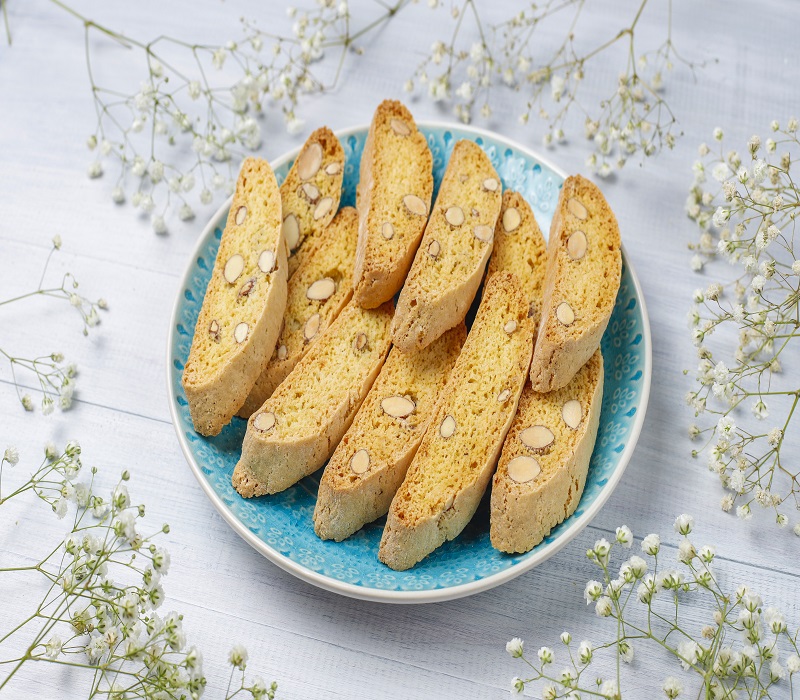
Originating in Prato, Tuscany, the classic Italian almond biscuits known as Cantucci—also called Biscotti di Prato—are a testament to ancient culinary ingenuity. Their defining characteristic comes from being twice-baked, a method derived from the Latin biscoctus, which originally created non-perishable food for Roman legions on long journeys. While the modern Italian word biscotto refers to any cookie, the traditional Tuscan version is specifically Cantucci, a name taken from the old word cantuccio, meaning a crusty corner of bread. The authentic dough is a simple mix of flour, sugar, eggs, and whole almonds, deliberately made without fats like butter or oil. After the first bake, the log is sliced and baked again, achieving a signature dry and crunchy texture perfect for dipping. This ritual is traditionally enjoyed with a glass of sweet Vin Santo, though espresso or coffee are also popular. Modern variations, sometimes called Biscottini or Cantuccini, may include chocolate chips, pistachios, or orange zest, but the timeless almond version remains the quintessential Italian treat.
* Why You’ll Love This Recipe
This journey begins with the source: Mom’s authentic, cherished family recipe. True to classic Italian form, it relies on simple ingredients—flour, eggs, almonds, and a lower sugar content with no butter—that you likely have in your pantry. This deliberate simplicity is the secret to achieving that signature crunchy texture, which becomes perfectly tender when you dip or soak it in a cup of espresso or a glass of Vin Santo. The magic, however, lies in its versatility; while the base dough creates the classic almond cookies my kids love, you can easily customize it by folding in dried cranberries, chocolate chips, or dried apricots. The result is so delicious and scrumptious that you’ll understand why I have to hide a secret stash from the family. It’s a guilt-free sweet treat perfect for your Christmas cookie tray—a gift of tradition, easy to make, and utterly irresistible.
The Complete Ingredient List
* Core Ingredients for Traditional Cantucci
This foundational recipe builds methodically, starting with its core structural elements. All-purpose flour—or the finer Italian 00 flour from trusted brands like Molino Grassi or Antimo Caputo—forms the primary body. The essential dry components are then assembled: a precise amount of granulated sugar for sweetness and color, a pinch of sea salt to balance it, and just a tiny bit of baking powder for a subtle, light texture. Next, the wet ingredients are prepared: large whole eggs are beaten vigorously with the sugar until pale to act as the main binding agent, before incorporating the aromatic vanilla extract and fresh lemon zest. The dry mixture is then combined with the wet to form a dough, into which the star of the show, raw unblanched almonds (or toasted, coarsely chopped ones), are folded for a signature delightful crunch. The defining choice is made here: strictly no butter is added to guarantee the classic, crispy biscotti texture that is drier and crunchier, though a note is made that a single ounce of butter or margarine could be used for a richer, softer variation. This sequence, from measuring the flour to mixing in the almonds, creates the perfect, traditional base.
Notes on Key Ingredients (e.g., flour type, almonds)
Step-by-Step Instructions
The foundation of authentic biscotti begins with the choice of flour; for the finest texture, many bakers prefer premium Italian 00 flour like Molino Grassi or Antimo Caputo for its high temperature tolerance. However, you can substitute with standard all-purpose flour, blend it with whole wheat or spelt flour for added nutrients, or opt for gluten-free flour if you are gluten intolerant. The essential dry ingredients include granulated white sugar, a touch of sea salt to balance the sweetness, and a minimal amount of baking powder as the leavening agent. For the wet mixture, two large whole eggs act as the primary binding agent and are beaten with sugar until pale to create structure and moistness. Key flavorings are vanilla and almond extract for a warm, aromatic scent, along with fresh lemon zest added to the wet ingredients for a tangy twist. The defining element is whole almonds—traditionally raw and unblanched—which are toasted, coarsely chopped, and mixed in last to provide a delightful crunch. While the classic recipe uses no fat for a drier, crispier texture, a small amount of butter (about one ounce) or a dairy-free option like margarine can be added for a richer, more fragrant and tender crumb.
Expert Tips for the Best Biscotti
* How to Shape the Dough Perfectly
For a professional result, use floured or greased hands to handle the tacky dough. After optionally chilling it to make shaping easier, form it into a log on a lined baking sheet. Crucially, shape the loaf smaller than your desired final size to account for significant spreading during the first bake in the preheated oven.
* The Crucial Cooling Step Before Slicing
After the first bake, let the loaf cool for the optimal window of about 10 to 15 minutes—just until warm to the touch. Allowing it to cool too long makes it rock-hard and difficult to slice, while slicing it too hot causes crumbling.
* Slicing Techniques for Size & Shape
Use a serrated knife (a bread knife) in a gentle sawing motion for clean cuts. For classic, long cookies, slice the loaf diagonally; for shorter biscotti, slice it straight. Aim for consistent thickness, about 3/4-inch, for even drying.
* Achieving the Perfect Crispness
Arrange the slices in a single layer and bake a second time, flipping them halfway through to ensure even drying and browning. Immediately transfer the baked biscotti to a wire rack to cool completely; this allows air to circulate and stops residual heat from steaming them, locking in the signature dry, crunchy texture perfect for dunking in coffee or Vin Santo.
Serving, Storing & Pairing
* How to Store & Keep Them Fresh
Due to their dry, butter-free nature, cantucci have an exceptionally long shelf-life. For optimal freshness, store your homemade biscotti in an airtight container or cookie tin at room temperature, where they will remain perfectly crisp for up to two weeks to a month, making them a wonderful holiday gift.
* Freezing Instructions
For even longer storage, you can freeze the biscotti. Place them in an airtight bag and freeze for up to three months. When ready to enjoy, simply thaw them at room temperature to restore their signature crunch.
* The Perfect Pairings: Coffee, Tea, and Dessert Wine
While delicious with hot coffee or tea, the traditional and perfect pairing is with a glass of sweet dessert wine. The classic choice is Tuscan Vin Santo, whose notes of vanilla and caramel complement the nutty flavor. Other excellent Italian pairings include Moscato d’Asti from Piemonte, Passito di Pantelleria from Sicily, or the red Recioto della Valpolicella from Veneto with its cherry notes, making them the ideal after-meal treat.
Variations and substitutions for these traditional biscotti
For a chocolate twist, replace ¼ cup of flour with unsweetened cocoa powder and add ½ cup of chocolate chips to the dough.
Instead of almonds, try using pistachios, hazelnuts, or walnuts for a different nutty flavor.
Enhance the citrus notes by substituting the lemon and orange zest with lime or grapefruit zest.
For a touch of sweetness, drizzle melted white or dark chocolate over the cooled biscotti.
Add a dash of cinnamon or cardamom to the dry ingredients for a warm and aromatic flavor profile.
For a gluten-free option, substitute the all-purpose flour with a gluten-free flour blend.
To make it vegan, replace the eggs with flax eggs (1 tablespoon of ground flaxseed mixed with 3 tablespoons of water for each egg) and use vegan butter.